

Connect with qualified therapists and mental health professionals near you. Search by location or specialty to find the support you need.

Why Mental Health Information Online Needs More Trust, Clarity, and Human Connection

BalancedAmbition: Thriving Without Burnout
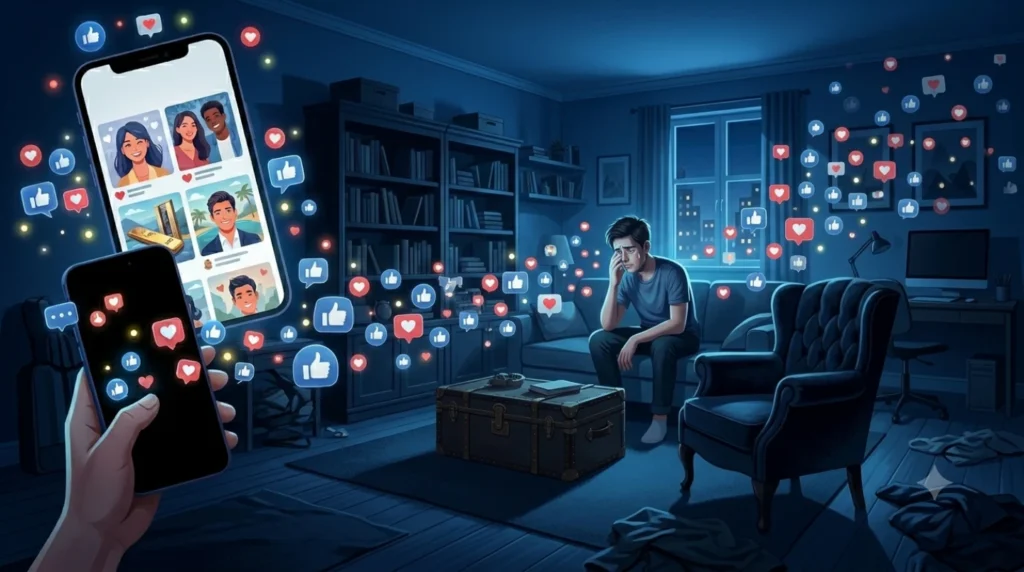
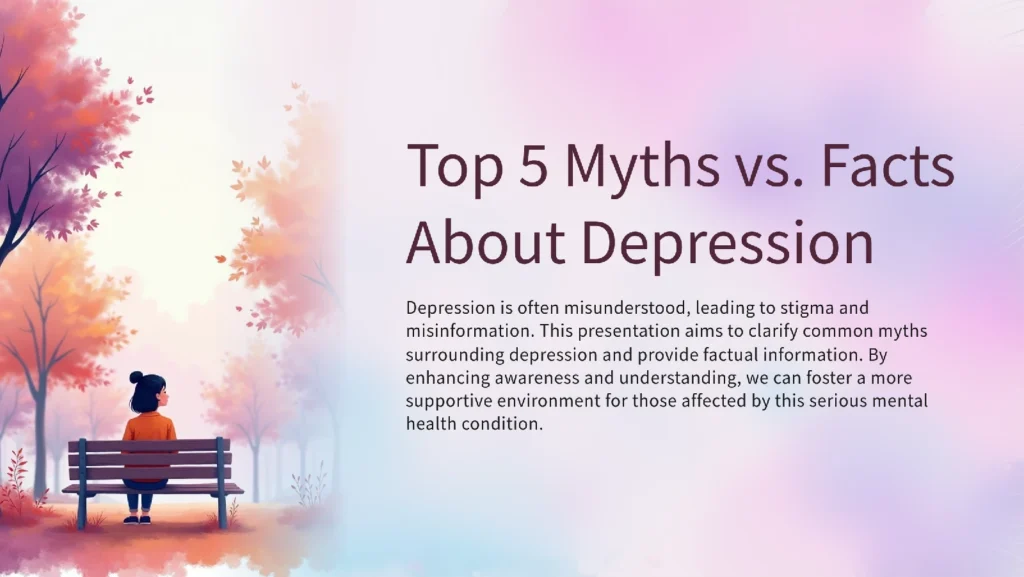
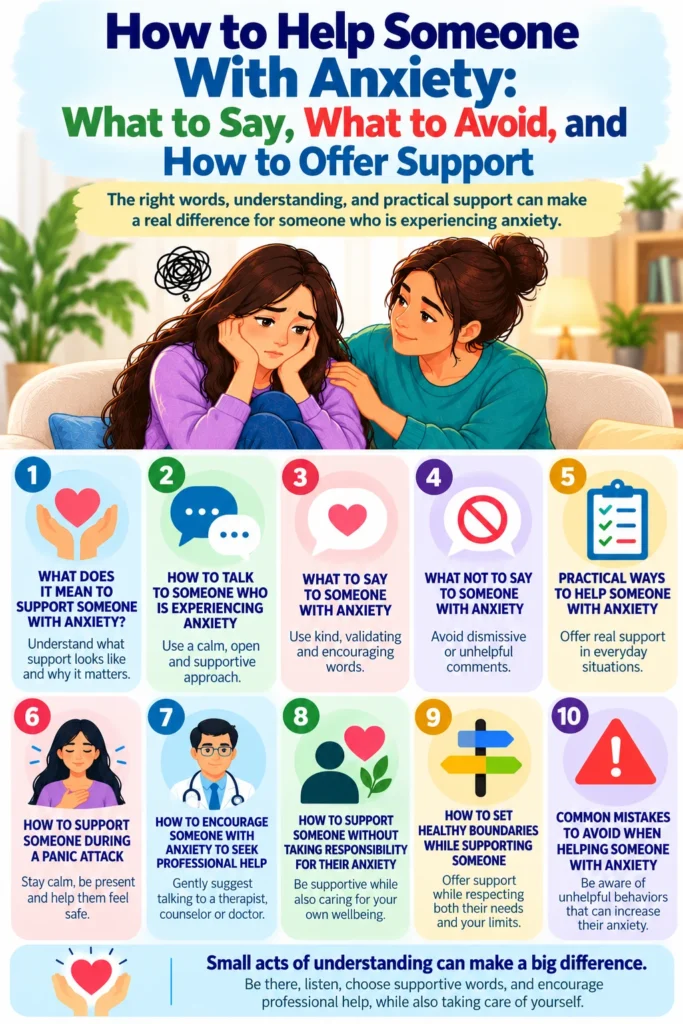
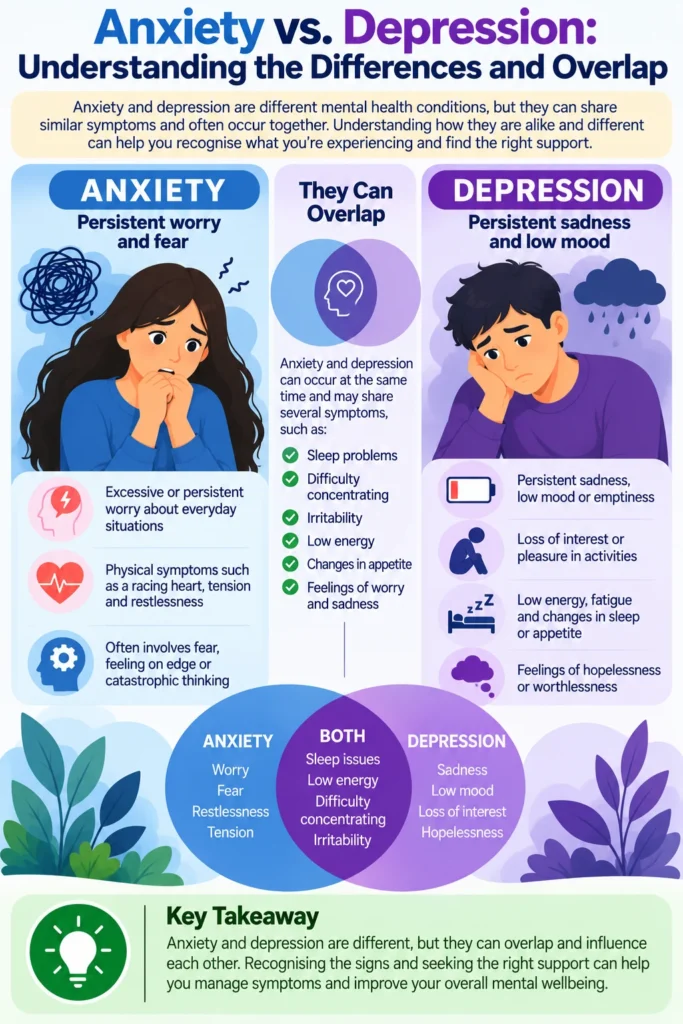
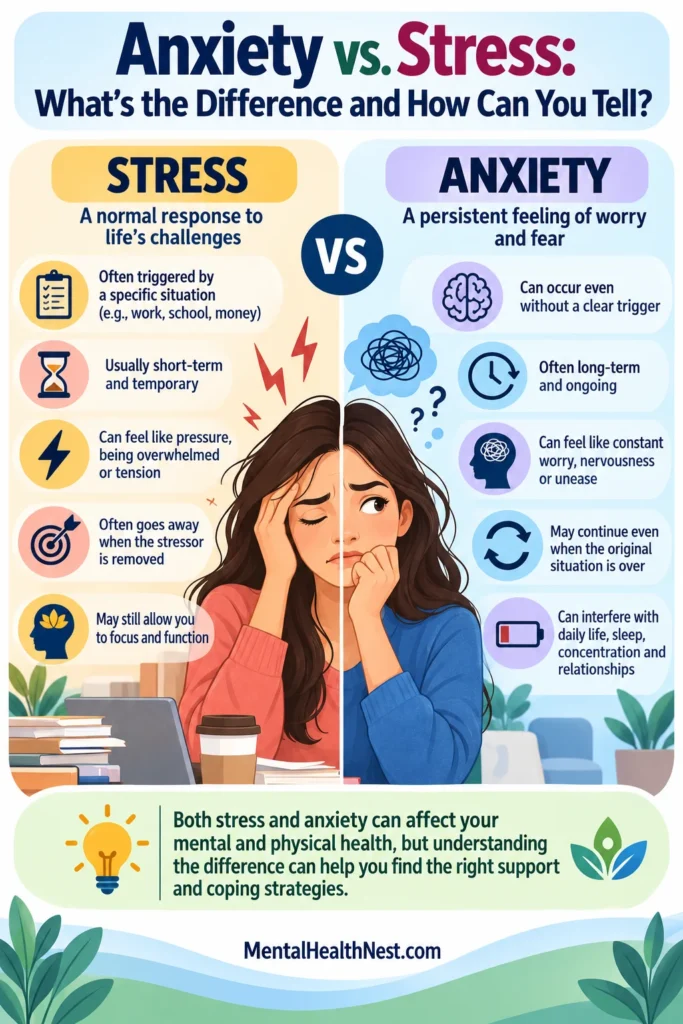
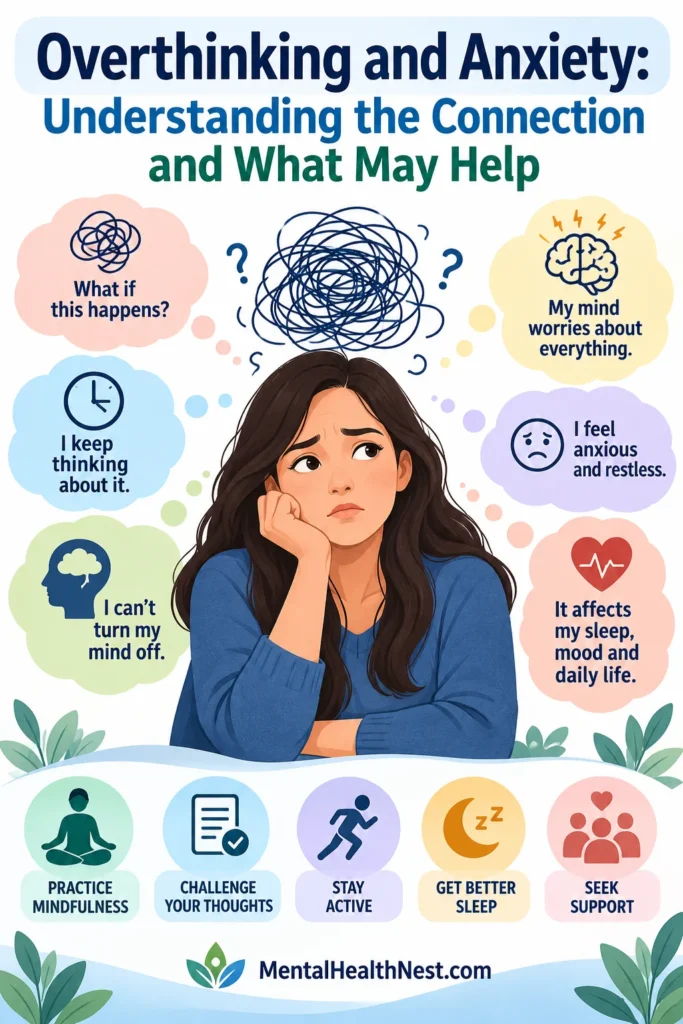
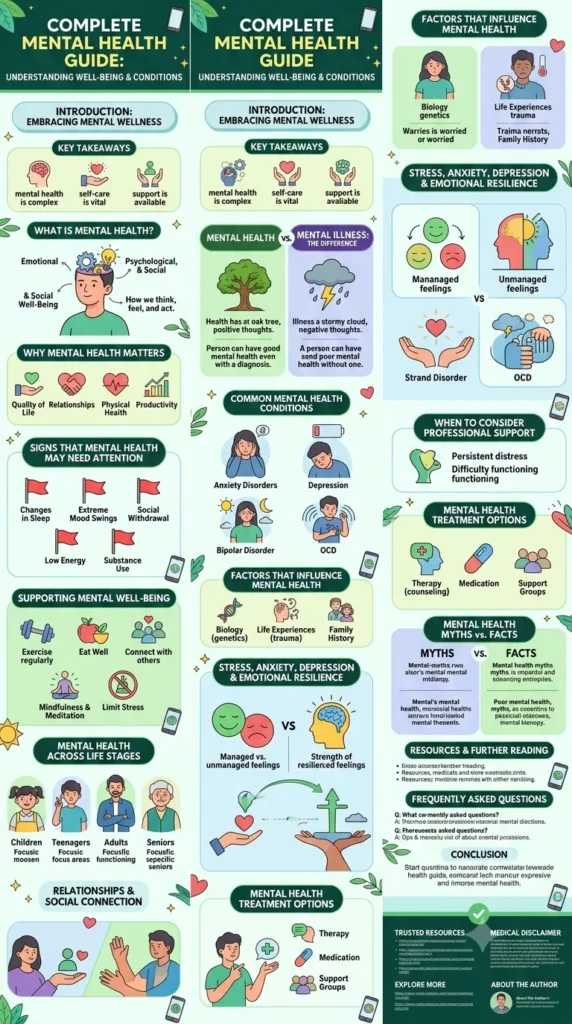
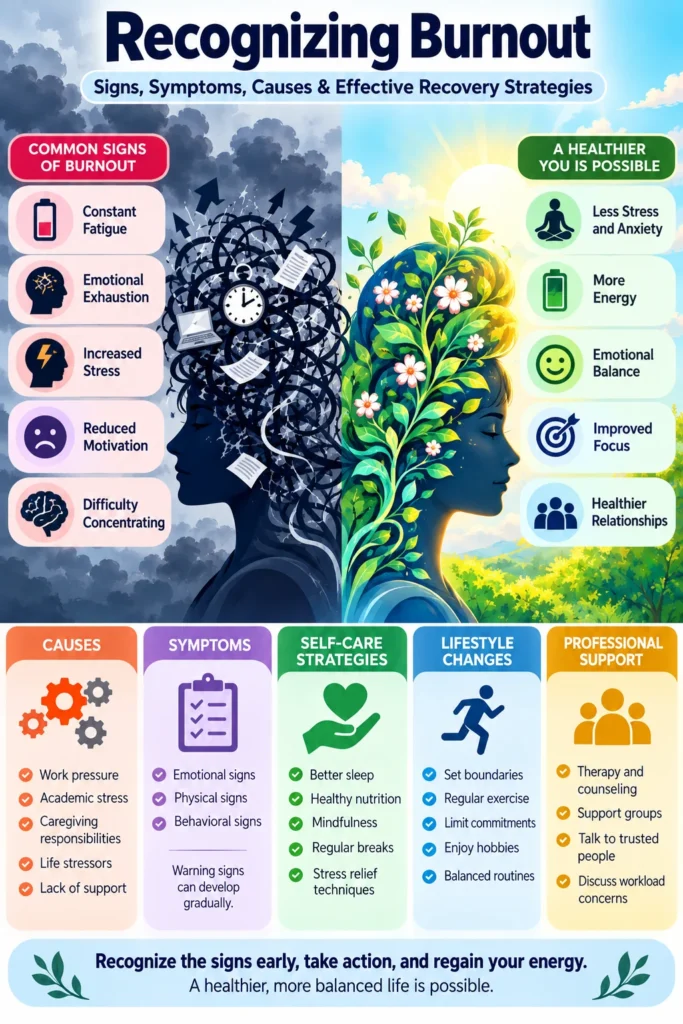
Mental health is essential for overall well-being, influencing how we think, feel, and behave. In recent years, mental health awareness has gained momentum in the United States, with increasing recognition of the importance of psychological well-being. According to the National Institute of Mental Health (NIMH), approximately 1 in 5 adults in the U.S. experiences a mental illness each year. The COVID-19 pandemic, economic uncertainties, and social pressures have further intensified the need for accessible mental health support and effective coping mechanisms.
In this blog, we will explore the most common mental health disorders, their impact on daily life, and evidence-based strategies to overcome them. Whether you are personally struggling with mental health issues or seeking to support others, this guide provides insights, professional recommendations, and resources to promote mental well-being, or personality disorders.
This above provides a brief overview of these mental health conditions. Proper diagnosis and treatment should be sought from mental health professionals.
Various organizations in the United States focus on mental health awareness, treatment, and research, including the National Institute of Mental Health (NIMH), the American Psychological Association (APA), and the National Alliance on Mental Illness (NAMI). These institutions provide essential resources for education, advocacy, and mental health support.
A holistic approach to mental health focuses on the balance of mind, body, and spirit. It emphasizes natural healing methods to promote emotional, mental, and physical well-being. Here’s a list of key holistic practices:
This holistic approach encourages natural and complementary therapies that support mental and emotional health, fostering balance and inner peace.
Mental health and well-being should be a top priority for individuals, communities, and policymakers. Understanding mental health disorders, recognizing symptoms, and implementing effective strategies for overcoming challenges can lead to a healthier, more resilient society.

If you found this article helpful, share it with others to spread awareness about mental health. “Remember, seeking help is a sign of strength.” Follow us for more insights, expert advice, and wellness strategies.ln case of any queries, please comment or write to us: info@mentalhealthnest.com.